Table of Contents
Key Takeaways
- Burnout is a state of emotional, physical, and mental exhaustion distinct from ordinary stress, characterized by depletion, cynicism, and reduced professional efficacy
- The six causes of burnout include workload mismatches, lack of control, insufficient reward, broken community, unfairness, and values conflict with the workplace
- Early warning signs include chronic fatigue, irritability, loss of meaning, cognitive difficulties, and emotional detachment that develop gradually over months
- Recovery requires stopping, taking time off, prioritizing sleep and nutrition, and rebuilding your relationship with work through boundary setting
- Prevention requires lasting changes including clear work-life boundaries, regular scheduled recovery, and sometimes leaving an unsustainable work environment
Understanding Workplace Burnout: More Than Just Being Tired
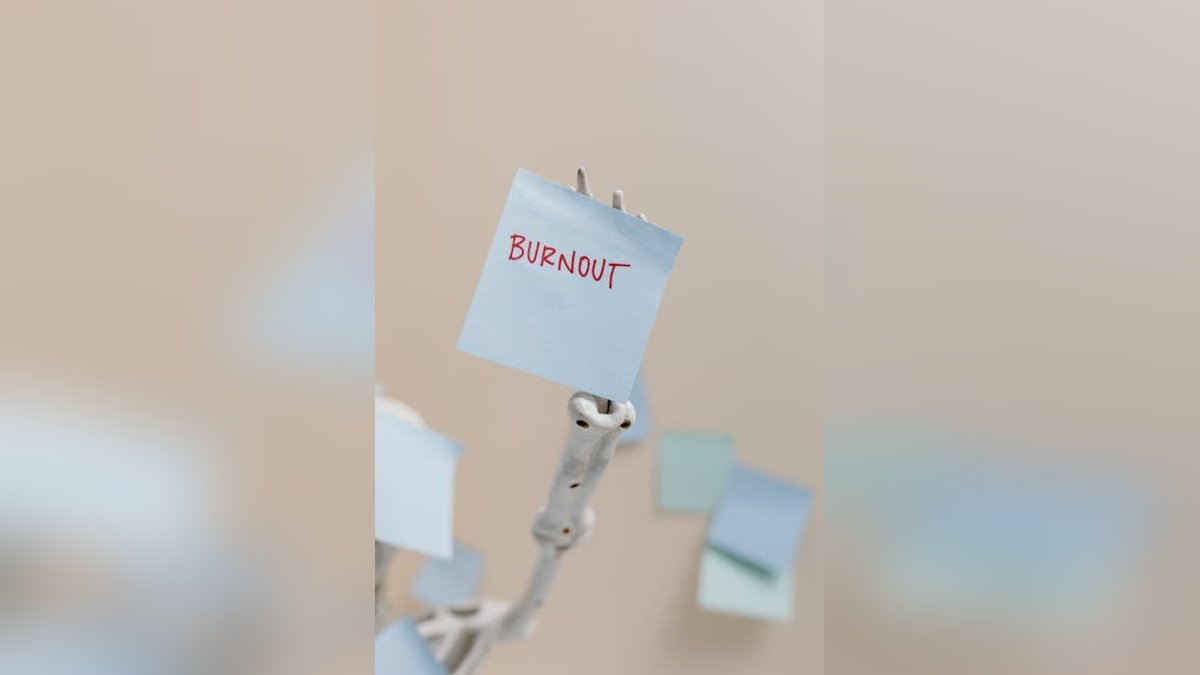
Workplace burnout is a state of physical, emotional, and mental exhaustion caused by prolonged exposure to excessive stress at work. It is not simply being tired after a long week. Burnout is characterized by three distinct dimensions: overwhelming exhaustion, feelings of cynicism and detachment from work, and a sense of ineffectiveness and lack of accomplishment. The World Health Organization officially recognized burnout as an occupational phenomenon in 2019, validating what millions of workers have experienced.
The key distinction between ordinary stress and burnout is that stress involves too much pressure, while burnout involves not enough. Stressed people can imagine that calming down will make everything better. Burned-out people feel empty, depleted, and unable to find energy or motivation for anything. Stress is like drowning in responsibilities; burnout is feeling dried up. Understanding this distinction is crucial because the recovery strategies differ significantly.
urnout is what happens when you have been running on empty for so long that the engine seizes. It is not a badge of honor or a sign of dedication. It is a signal that something in your work environment or your relationship with work is fundamentally broken and needs attention before the damage becomes permanent.
The Six Causes of Burnout According to Research
Research by psychologists Christina Maslach and Michael Leiter identifies six key areas where mismatches between the worker and the workplace contribute to burnout. The first is workload: when demands consistently exceed human limits. The second is control: when workers lack the autonomy to make decisions about how they do their work. The third is reward: insufficient financial, social, or intrinsic recognition for contributions.
The fourth cause is community: breakdown of positive relationships and social support at work. The fifth is fairness: perceived inequity in decision-making, resource allocation, or treatment. The sixth is values: a conflict between personal values and organizational expectations or practices. Burnout typically involves mismatches in multiple areas, not just one. A person who has control over their work but no supportive community can still burn out, just as someone with great colleagues but impossible workload can.
These six factors explain why burnout interventions focused solely on the individual such as meditation, exercise, or self-care often fail. They address the symptoms but not the systemic causes. While individual coping strategies are valuable, meaningful recovery and prevention require addressing the workplace factors that create burnout risk in the first place.
Recognizing the Warning Signs Before You Crash
Burnout rarely happens overnight. It typically develops gradually over months or years. Early warning signs include chronic fatigue that rest does not fix, increased irritability with colleagues and clients, losing interest in work you once found meaningful, sleeping more or less than usual, changes in appetite, increased use of alcohol or caffeine, and frequent headaches or muscle pain. Recognizing these signs early creates the opportunity to intervene before full burnout develops.
Cognitive symptoms of burnout include difficulty concentrating, forgetfulness, decreased creativity, and a pervasive negative or cynical outlook. Emotionally, you may feel trapped, defeated, self-doubting, and disconnected from work and relationships. Behavioral signs include withdrawing from social situations, procrastinating more than usual, calling in sick frequently, and taking longer to complete tasks that used to be easy.
Pay particular attention to the feeling of cynicism or detachment. When you stop caring about work quality, client outcomes, or team success, that is a red flag that burnout is progressing. Many burned-out professionals describe feeling like they are going through the motions, performing tasks mechanically without any emotional investment. This detachment is the mind's way of protecting itself from further depletion.
Recovery Strategies That Actually Work
Recovery from burnout requires a multi-pronged approach addressing both individual and workplace factors. The first and most critical step is to stop. Take time off if possible. A true break where you completely disconnect from work for at least several days is essential for initial recovery. During this time, prioritize sleep, nutrition, gentle movement, and activities that bring you genuine pleasure without any performance pressure.
Physical recovery strategies are foundational. Sleep is the most powerful recovery tool available. Aim for seven to nine hours per night with consistent timing. Exercise, particularly walking outdoors, has been shown to reduce burnout symptoms significantly. Nutrition matters: stable blood sugar levels support mood regulation and energy. Limit caffeine and alcohol, both of which can interfere with sleep and exacerbate anxiety.
Psychological recovery involves rebuilding the relationship with work. Cognitive behavioral approaches can help identify and challenge the thought patterns that contribute to burnout, such as perfectionism, excessive responsibility, and all-or-nothing thinking. Setting realistic expectations for yourself and learning to say no to non-essential demands are crucial skills that burnout recovery requires you to develop.
Preventing Burnout From Returning
Preventing burnout from recurring requires lasting changes to how you work and how you relate to work. Establish clear boundaries between work and personal time. These boundaries are not luxuries; they are essential for long-term sustainability. Define when your workday ends and protect that time. Create transition rituals that signal the shift from work mode to personal mode, such as a short walk, changing clothes, or a few minutes of quiet reflection.
Build recovery into your regular schedule, not just as an emergency response. Schedule breaks throughout the day, take your full lunch break away from your desk, use your vacation days, and take mental health days when needed. Professionals who regularly disconnect from work report lower burnout rates and higher job satisfaction. The key is treating recovery time as non-negotiable rather than optional.
Finally, consider whether your work environment is fundamentally compatible with your wellbeing. If your workplace culture glorifies overwork, if expectations are consistently unreasonable, or if you are regularly exposed to toxic behavior from colleagues or managers, burnout prevention requires systemic change, not just individual coping. Sometimes the most effective prevention is leaving an unsustainable situation.
Frequently Asked Questions
Common questions about mental health
How long does it take to recover from burnout?
Recovery time varies significantly depending on the severity and duration of burnout. Mild burnout may resolve within weeks with proper rest and boundary setting. Moderate burnout typically requires several months of consistent recovery efforts. Severe burnout can take a year or more to fully recover from. The key is not rushing recovery: pushing yourself to return to normal before you are ready can trigger a worse relapse.
Should I quit my job if I am burned out?
Quitting is not always necessary, but sometimes it is the right choice. Before deciding, take time off and assess whether you can make changes to your current role that would address the root causes. If the workplace culture or management is the primary cause, and you have exhausted options for change, leaving may be the healthiest option. Burnout recovery is difficult to achieve in the same environment that caused it.
Can exercise help with burnout recovery?
Yes, moderate exercise is one of the most effective interventions for burnout recovery. Exercise reduces stress hormones, improves mood through endorphin release, improves sleep quality, and provides a sense of accomplishment that counters feelings of ineffectiveness. However, avoid excessive or high-intensity exercise during recovery, as it can add physical stress to an already depleted system.
Related Articles
Your Next Step
The information in this guide is designed to give you a practical starting point for your career journey. Apply the strategies that resonate most with your situation and adapt them to your specific context. The most successful professionals are not the ones who follow every piece of advice — they are the ones who know which advice applies to their unique circumstances.
If this article helped you, explore our related resources linked below to continue building your career toolkit. Each article builds on the same practical, evidence-based approach to career development.