Table of Contents
Key Takeaways
- Informational interviews are the most effective way to learn about a role or industry from an insider
- A well-crafted request message is concise, respectful, and makes it easy to say yes
- Preparation before the interview shows respect and produces better insights
- The follow-up is where the real relationship begins most people never do it well
- Informational interviews often lead to referrals, mentorships, and hidden opportunities
Why Informational Interviews Matter
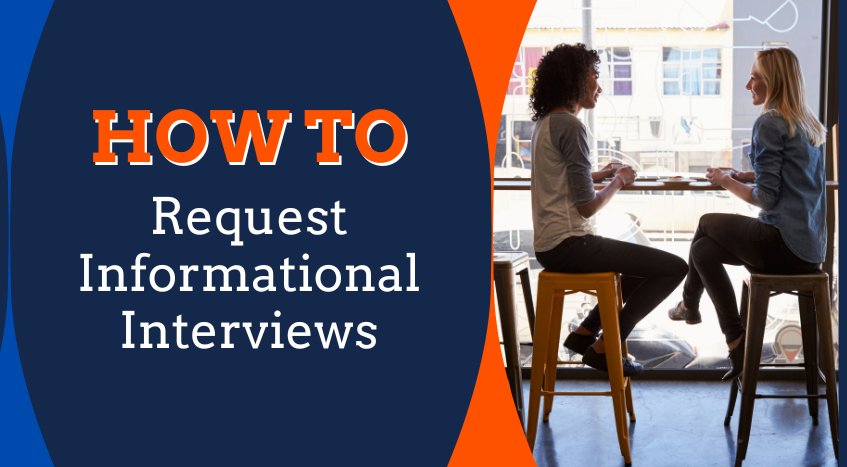
Informational interviews are conversations with professionals in roles or industries you want to learn about. They are not job interviews. You are asking for their knowledge and perspective, not a job. This distinction changes the dynamic completely.
Almost every career opportunity I have had came from a conversation, not an application. Informational interviews are the most reliable way to turn a cold connection into a warm relationship that leads to opportunities you never knew existed.
How to Request an Informational Interview
Keep your request short, specific, and respectful. Introduce yourself briefly. Explain why you are reaching out specifically to them. Make the request small: 15 minutes feels manageable.
A proven template: Hi Name, I have been following your work in field and am impressed by your specific achievement. I am exploring a career in area and would be grateful for 15 minutes of your insight. Would you be open to a brief call next week?
Personalization is critical. Generic requests are ignored. Mention something specific about their work that interests you. Show you have done your homework.
Preparing for the Conversation
Research their career path and current role. Prepare 8-10 questions but prioritize the 4-5 that matter most. Your goal is to learn from their experience, not to ask Google-able questions.
Good questions: How did you get started? What does a typical day look like? What skills matter most? What do you wish you had known? What trends affect your industry?
Test your technology. Find a quiet space. Dress professionally. Arrive on time. These basics create a professional impression.
During the Interview
Thank them for their time. Keep the conversation conversational, not interrogational. Listen more than you speak. Take notes to show you value their insights.
Ask for advice for someone at your stage. End by asking if there is anyone else they recommend you speak with. Be mindful of the time. Ending on time leaves a positive impression.
The Follow-Up: Where Relationships Are Built
Send a thank-you note within 24 hours. Reference something specific from your conversation. This single step separates you from 90% of people who conduct informational interviews.
Keep the relationship warm. Connect on LinkedIn. Share relevant articles. Check in every 2-3 months. The people you meet become your network and advocates over time.
Frequently Asked Questions
Common concerns about networking & personal branding
What if they say no?
Thank them and move on. Most people say yes to 15-minute requests, but everyone has limits on their time.
How many should I do?
Aim for 2-3 per month. One great conversation with good follow-up beats ten superficial ones.
Should I ask about job openings?
No. The purpose is to learn. If they mention an opening, that is organic. Asking directly changes the dynamic.
Can I record the conversation?
Always ask permission first. Most prefer you do not. Taking notes is acceptable.
Related Articles
Your Next Step
An informational interview can change your career trajectory. Send one request this week. The worst they can say is no, and the best case transforms your future.
If this article helped you, explore our related resources linked below to continue building your career toolkit. Each article builds on the same practical, evidence-based approach to career development.